
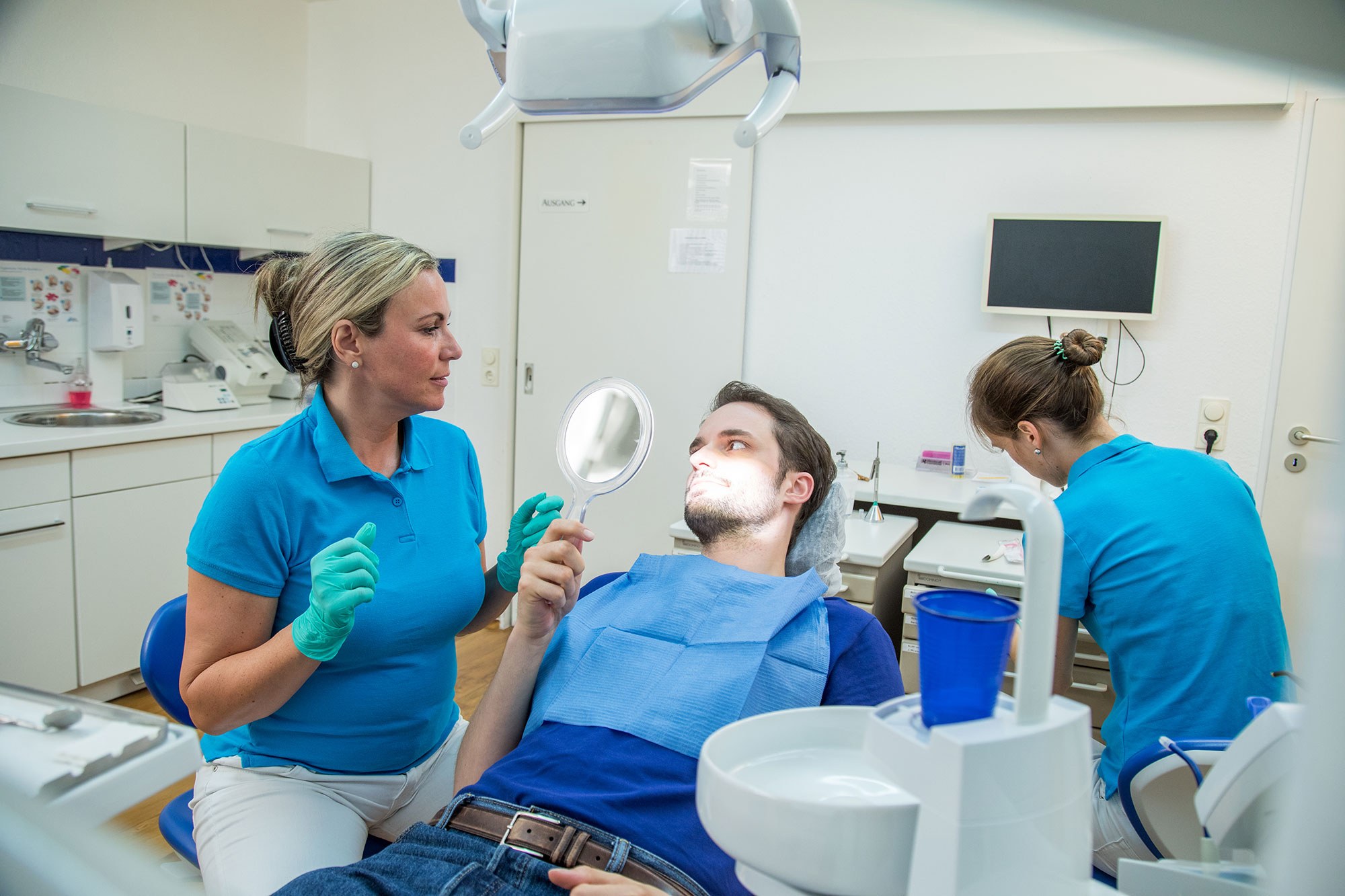
If you’re paying privately or aren’t covered by standard insurance, expect to shell out anywhere from €80 to €150 for X-rays and an initial checkup. This first visit is the gateway to everything else, whether you just need a simple filling or a full reconstructive procedure. While these prices seem standard, the German system is notoriously confusing if you aren’t familiar with the local bureaucracy or the split between statutory and private care.
Germany covers a huge range of dental work. You might just need a quick restoration for a cavity, or you might be looking at something much more complex, like a full arch reconstruction. The options go from routine cleanings to high-end cosmetic work. Because of the high level of specialization, patients often travel long distances to see specific experts in cities like Bremen or Berlin.
The quality of care is generally very high. Many clinics have teams of dentists and oral surgeons with plenty of experience, which helps ensure you get the clinical outcome you’re looking for. This level of expertise is exactly why so many people travel to Germany for specialized work that their local dentists can’t provide.
The Essentials Before You Book An Appointment
Before you pick up the phone, you need to know which “world” you’re entering. Germany uses a dual system: Gesetzliche Krankenversicherung (GKV) for statutory insurance (covering most residents) and Private Krankenversicherung (PKV) for private insurance. This distinction changes everything regarding your out-of-pocket costs and the materials you can choose.
If you have statutory insurance, the government covers a certain amount of “standard” care, things like basic fillings and necessary extractions. If you want the “fancy” stuff, like ceramic inlays instead of metal or specific whitening treatments, you’ll likely pay the difference yourself. This is called “Mehrkosten.”
International patients are usually in a different category. If you’re traveling to Germany specifically for treatment, you’re essentially a private patient. You’ll pay for everything upfront, but you also get much more freedom to choose your dentist and exact materials. You can request metal-free options or specific brands without having to negotiate with an insurance provider.
It’s a good idea to check if your home insurance covers dental work done abroad. Some plans do; others won’t touch anything done outside your home country. Also, keep the language barrier in mind. While many clinics speak English, it’s better to confirm that before you arrive.
Step 1: Identifying Your Specific Dental Needs
The first real step is deciding what you actually need. Dental work isn’t a monolith; it’s a collection of very different procedures with wildly different price points and timelines. You need to be specific when you contact a clinic so they can give you a realistic estimate.
Common procedures include:
- Dental Implants: These involve replacing a tooth root with a screw-like post. In places like Bremen, specialists can handle single teeth or full arches.
- Orthodontics: Braces or clear aligners to correct tooth positioning.
- Smile Design: A cosmetic approach to changing the appearance of your teeth through veneers or reshaping.
- Root Canal Treatment: Removing infected pulp to save a tooth.
- Gum Therapy: Treating periodontal disease to prevent tooth loss.
Once you know your goal, you have to decide on the level of complexity. A single filling is a quick fix; a full smile makeover is a months-long journey. This distinction helps you filter out clinics that might be too small for complex surgeries or too expensive for simple maintenance.
If you want to look into specific providers, you can learn more about the different types of dental practices available. Knowing the difference between a generalist and a specialist is important for both your wallet and your health.
Step 2: Comparing Costs and Insurance Coverage
Once you know what you need, you move into the most stressful part: the money. Prices in Germany vary depending on the city and the clinic. A private practice in Munich will almost always charge more than a local clinic in a smaller town.
You should ask for a “Heil- und Kostenplan” (treatment and cost plan). This document breaks down every step of the proposed treatment and the cost of each. If you have statutory insurance, send this plan to them before any work starts. They’ll tell you exactly how much they cover and what you’ll owe.
| Service Type | Estimated Out-of-Pocket Cost | Notes |
|---|---|---|
| Routine Checkup/X-ray | €80, €150 | Often not fully covered by private travel insurance. |
| Professional Cleaning | Variable | Often a separate fee from basic checkups. |
| Dental Implants | High | Often requires multiple visits and specialized surgeons. |
| Metal-free/Ceramic | High Premium | The difference between standard and aesthetic care. |
Many people find that professional cleaning is a separate, paid service that’s highly recommended for long-term health. It’s not always part of the basic insurance package, so expect to pay extra for a deep cleaning or scaling.
Step 3: Selecting Your Specialist and Clinic
Don’t just pick the first clinic you see on Google Maps. You need to match the clinic’s expertise to your actual problem. If you need a bridge or an implant, you probably don’t want a general dentist; you want someone who focuses on oral surgery or prosthodontics.
Check the staff’s credentials. If you need something invasive, look for a clinic with a team of dentists and oral surgeons. If you’re coming from abroad, look for clinics that cater to international patients; they’re usually better at handling the administrative side of traveling for healthcare.
The technology matters, too. Modern dentistry relies on digital scans and 3D imaging. A clinic using older, traditional methods might be cheaper, but you might end up needing more follow-up appointments if things don’t go perfectly. If you’re on a tight schedule, ask if they offer “same-day implants.”
Always ask if they provide the treatment plan in English. It sounds simple, but medical terminology can get lost in translation. You don’t want to nod along to a plan you don’t fully understand, only to find out later you’ve agreed to something you didn’t want.
Mistakes to Avoid During Your Dental Journey
The biggest mistake is ignoring the “standard” vs. “premium” debate. Many patients think they’re getting everything for free or at a very low cost because they’re in Germany. They walk into a clinic expecting full ceramic crowns for the price of a standard filling. That’s a recipe for an awkward conversation when the bill arrives.
Another error is skipping the consultation. Some people try to save money by asking for a “quick fix” over the phone. That rarely works. A dentist can’t give you a definitive price or a treatment plan without seeing you or seeing high-quality X-rays. Guessing the price is a gamble you’ll likely lose.
Don’t forget to verify the specific materials. If you’re paying for premium treatment, make sure it includes what you were promised. For example, if you want a metal-free implant, confirm that the entire procedure, including the abutment and the crown, is truly metal-free. Sometimes, a clinic might use a metal component to save costs without making it clear.
Finally, watch out for “too good to be true” offers. If a clinic offers extremely cheap implants that are significantly lower than the market average, ask why. It could mean lower-grade materials or a clinic that doesn’t prioritize aftercare. Dental work is an investment in your body; don’t cheapen it.
Dental health is a long game.
Choose wisely.